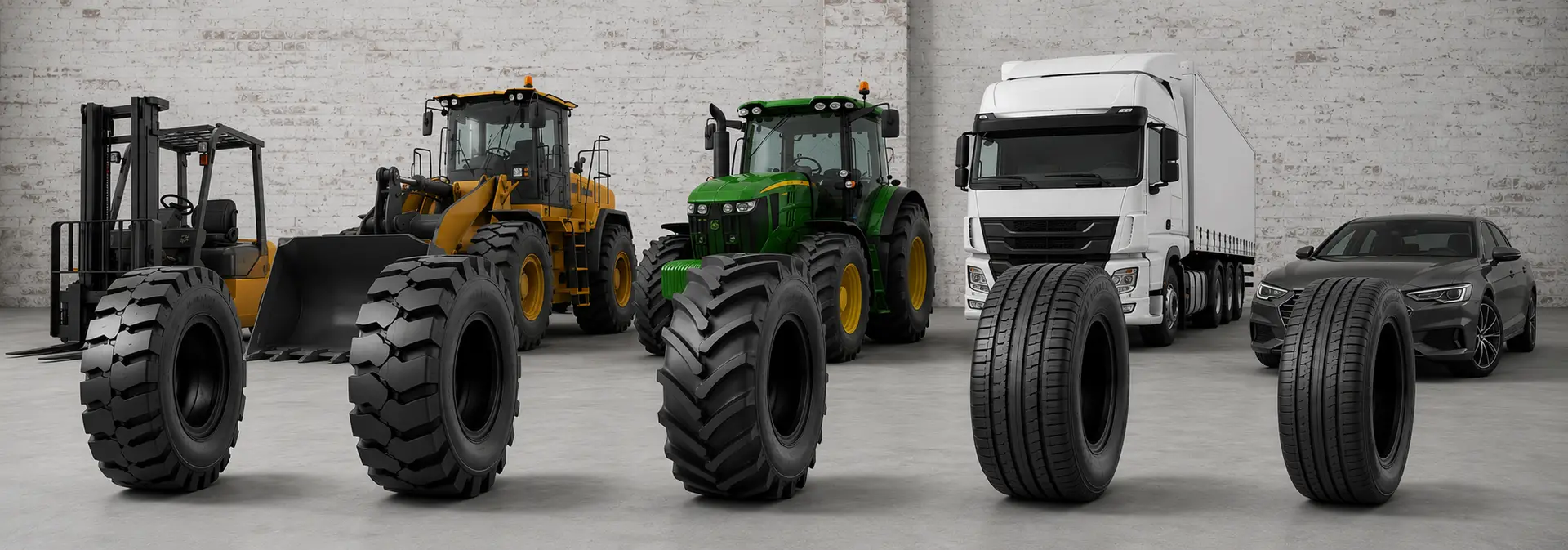
Selecting the right tire for a specific working environment is one of the most important decisions for ensuring the efficiency, safety, and durability of heavy equipment. Tires directly affect machine performance, fuel consumption, operating costs, and overall productivity. Since different work environments present unique challenges, choosing the appropriate tire can significantly improve equipment reliability and reduce maintenance expenses.
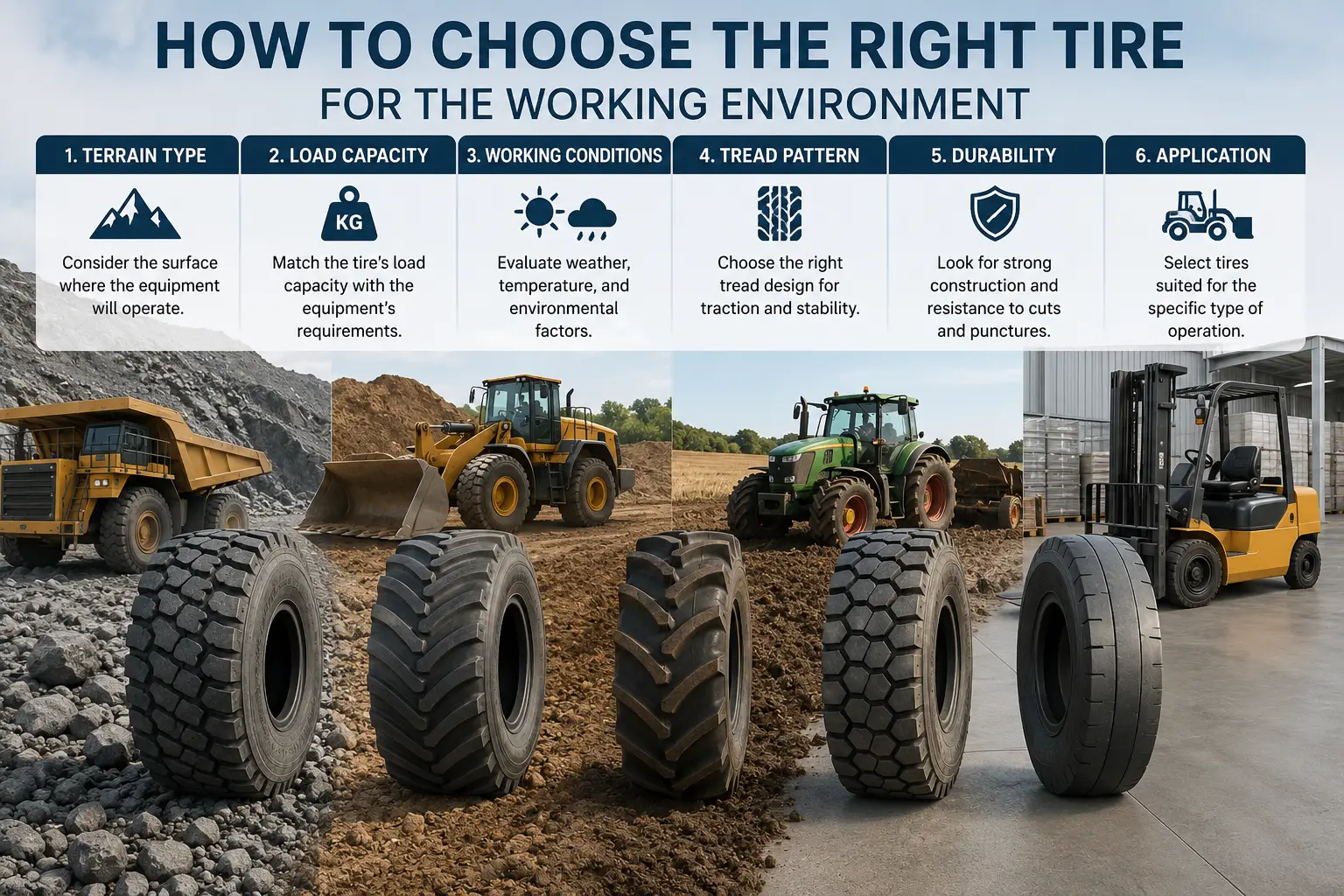
The first factor to consider is the type of terrain where the equipment will operate. Construction sites, mining operations, agricultural fields, and industrial facilities all have different surface conditions. For example, rocky terrain requires tires with strong sidewalls and cut-resistant compounds to withstand sharp rocks and abrasive surfaces. In contrast, soft soil or muddy environments require tires with deep tread patterns that provide better traction and prevent the equipment from becoming stuck.
Load capacity is another critical consideration. Heavy equipment tires are designed to carry specific weight limits. Choosing a tire that matches the equipment’s load requirements helps prevent excessive wear, overheating, and potential tire failure. Operators should always refer to the manufacturer’s specifications to ensure the selected tire can safely handle the expected workload.
Weather and climate conditions also play a significant role in tire selection. Equipment operating in extremely hot environments may require tires made from heat-resistant rubber compounds to reduce the risk of overheating. In cold climates, tires should maintain flexibility and traction even at low temperatures. Understanding the environmental conditions helps ensure optimal tire performance throughout the year.
Tread design is another important factor. Different tread patterns are engineered for specific applications. Deep and aggressive treads provide excellent traction in loose soil, mud, and off-road conditions, while smoother tread patterns are better suited for paved surfaces and industrial yards where rolling resistance and fuel efficiency are priorities. Selecting the correct tread pattern can improve productivity and extend tire life.
Durability and resistance to damage should also be evaluated. Worksites often contain hazards such as sharp rocks, metal debris, and rough surfaces. Tires designed with reinforced sidewalls and specialized rubber compounds offer greater protection against cuts, punctures, and impacts. Investing in durable tires may have a higher initial cost but often results in lower long-term operating expenses.
Another key consideration is equipment speed and operating cycles. Some applications require frequent travel over long distances, while others involve continuous loading and unloading operations at lower speeds. Tires should be selected based on the equipment’s operating characteristics to ensure maximum efficiency and performance.
In addition, maintenance requirements should be taken into account. Tires that are easy to inspect, maintain, and monitor can help reduce downtime and improve fleet management. Modern tire technologies, including tire pressure monitoring systems, provide valuable data that helps operators maintain optimal tire conditions.
Finally, consulting tire manufacturers and industry experts can help organizations make informed decisions. Professional guidance ensures that tire selection is based on actual operating conditions rather than assumptions, leading to better performance and longer service life.
In conclusion, choosing the right tire for the working environment requires careful consideration of terrain, load capacity, climate, tread design, durability, and operational needs. By selecting tires that match the specific demands of the job site, companies can improve safety, increase productivity, reduce operating costs, and maximize the lifespan of their equipment.





















 Tubes
Tubes Mobile Soild Tire Installation
 Wheel Rims